Our approach
Canvassing member opinion, we learned that although the magazine already contained sufficient business advice articles, some of the features on members and affiliates were seen as lacking substance, in part due to space constraints. What the readers wanted were ‘deeper dives’ into other movers’ operations, to learn best practice or to seek affirmation of their own decision-making and methods.
Our first step was to compile a list of companies and individuals who were innovators, trailblazers or even disruptors in the industry, and seek interviews with them. Once the interview was secured, we then carried out extensive research to compile and then hone, a series of questions.
In-person or on-line?
Although our preference is for face-to-face interviews, our editorial team would be required to craft up to a dozen articles per issue, meaning we would have neither the time nor the expense budget to compose every article from visits. So we limited the in-person meetings to those we felt would benefit and deliver better results from, a visit to their place of work.
Why face-to-face interviews yield better interviews
Most of our article writing is generated through a combination of desk research, emails, telephone calls and video calls. These are all highly efficient and effective ways of creating content not least as they enable flexibility around peoples’ schedules; but there are some things that can only be achieved by being in the same room.
Firstly, an in-person conversation allows genuine rapport building. It allows the interviewer to observe and respond to non-verbal cues and body language, which builds trust, making the other person feel more comfortable and far more likely to discuss sensitive or complex information, which can result in a much richer, authentic and engaging narrative.
Physical proximity can also result in a more fluid, unscripted discussion, allowing the interviewer to pivot the line of questioning, heading off on tangents to unscripted and uncharted topics, that often surprise both parties! Sitting feet apart can capture nuance and emotion, as gestures, hesitations and changes in tone are more easily noticed and acted upon.
We always record our interviews for later transcription and for accuracy, taking only minimal notes to ensure we are actively listening.
AI is sometimes used to consolidate responses that can be spread across an interview, as conversations rarely follow a linear course.
Varying perspectives
When turning interview material into an article, the choice of perspective dictates the tone, intimacy, and objectivity of the piece.
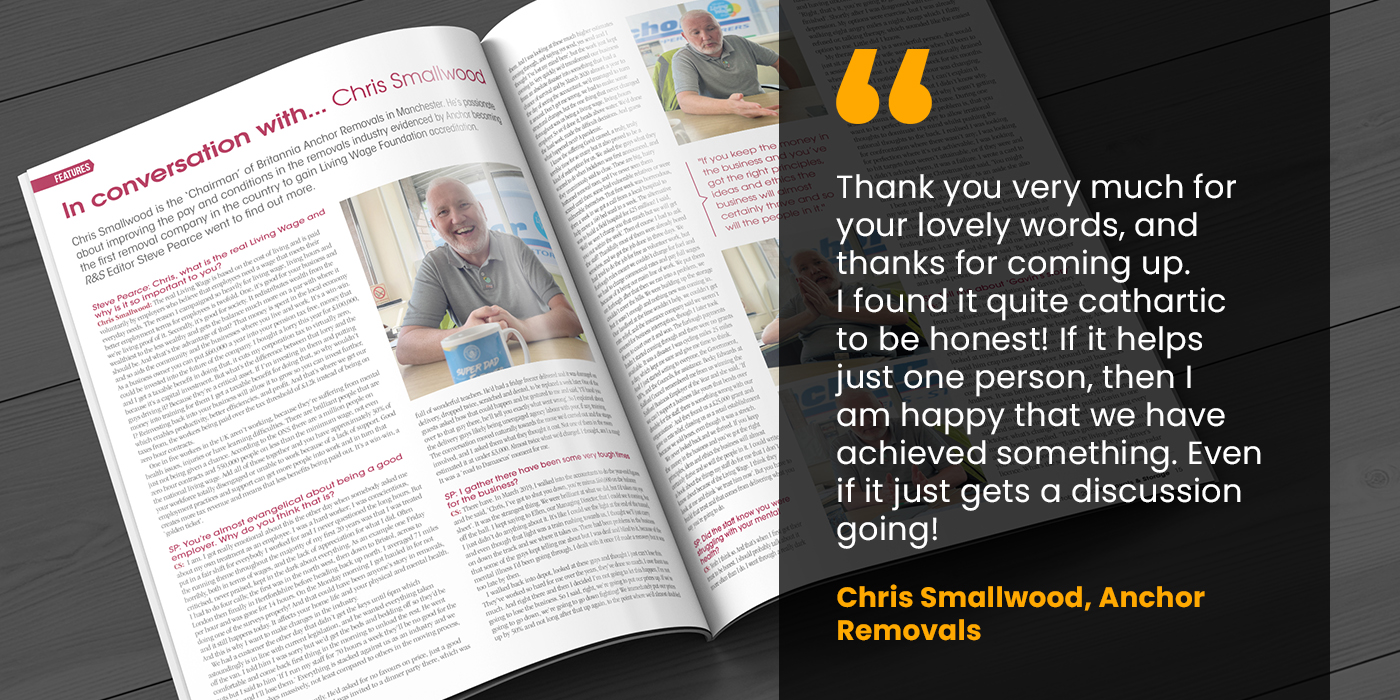
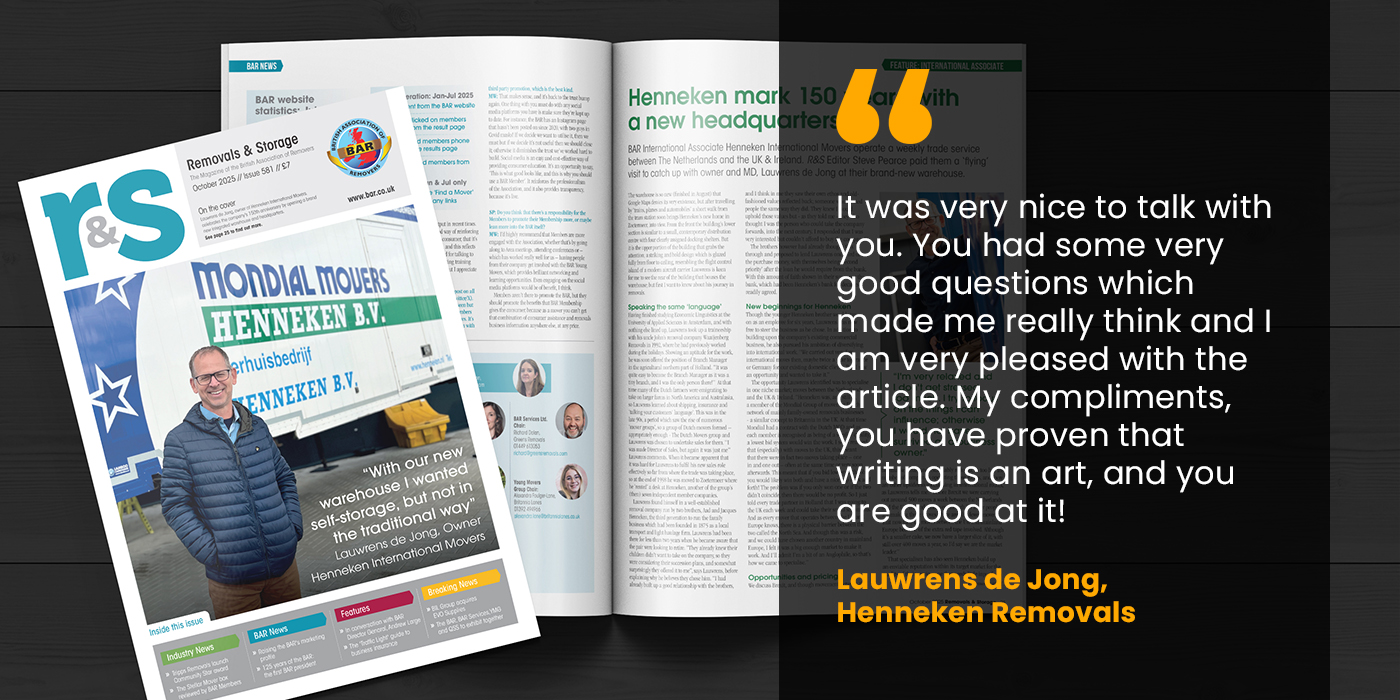
We write in the first-person point of view for some of the feature articles, for a more experiential, human perspective; second person (service journalism) more frequently for advice pieces and guides; and for most company features the third person (limited) approach is utilised, to give a more factual and objective perspective to the piece. Finally, for our principal ‘In conversation with’ article we use a Q&A format, which is then edited to fit.